
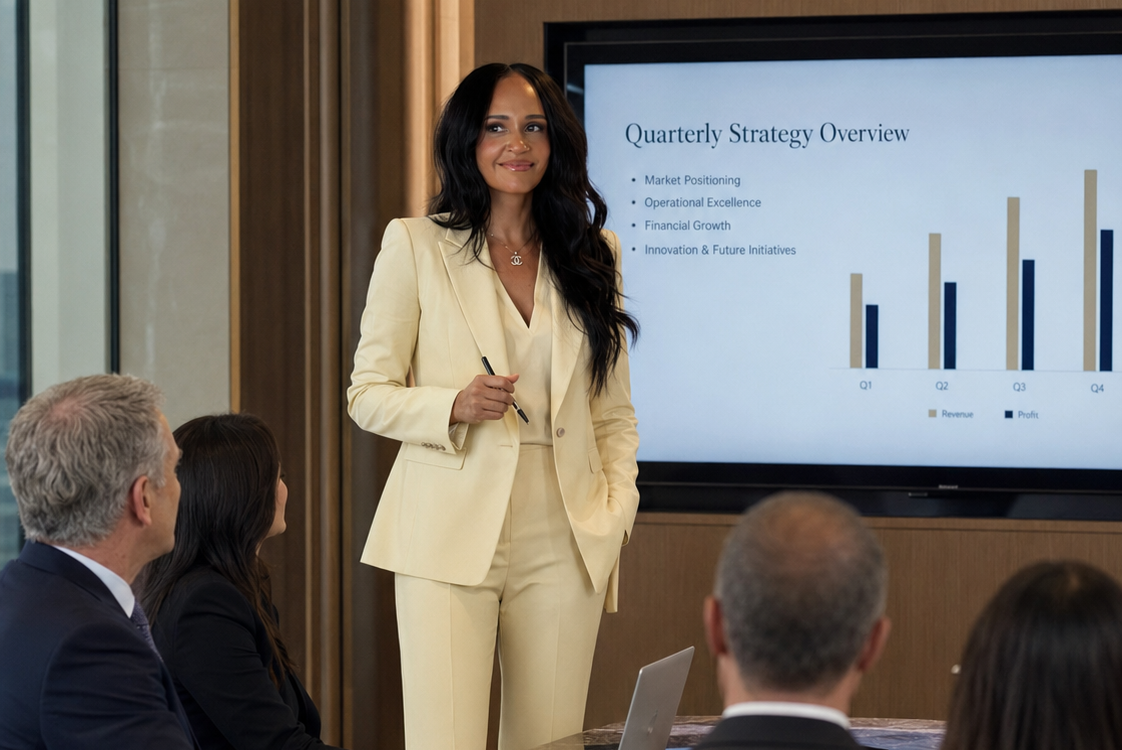
The workforce has changed.
Employees are working across generations, using new technology, adapting to artificial intelligence, expecting clearer communication, and thinking differently about loyalty, flexibility, growth, and leadership.
But in many organizations, leadership has not changed with them.
Through my research and my work with corporations and small to midsize businesses across different industries and revenue levels, I have seen the same problems appear again and again.
Leaders are retiring without strong succession plans. High-performing employees are promoted into management without being taught how to lead. Younger employees are labeled difficult when they question outdated practices. Technology is introduced faster than people are prepared to use it. Communication breaks down, trust declines, and leadership responds by adding more meetings, more policies, or another one-time training.
“The workforce is not resisting change – too often, it is waiting for leadership to catch up.” — Dr. Joy Obey
These may look like separate issues, but they often point to the same problem:
The organization has evolved, but its leadership systems have not.
That gap is expensive.
It affects retention, performance, innovation, accountability, succession planning, and the organization’s ability to adapt. It also places pressure on leaders who are expected to manage challenges they were never properly prepared to handle.
Modern organizations do not simply need more managers. They need leaders who understand how to lead across generations, guide people through change, develop future talent, and make sound decisions in a workplace being reshaped by technology and AI.
The answer is not to abandon experience or replace seasoned leaders with younger ones.
The answer is to build leadership that can connect both.
Organizations must preserve institutional knowledge while preparing emerging leaders. They must modernize how leaders communicate, develop people, manage change, and create accountability. They must also stop treating succession planning and leadership development as concerns for “later.”
By the time a key executive announces retirement, later has already arrived.
The strongest organizations are not waiting for a leadership crisis before taking action. They are examining where their leaders are prepared, where they are falling behind, and what the organization will need next.
Because the workforce has already changed.
The real question is whether leadership is ready to change with it.
Leave a Reply